Installing Solar Batteries the Right Way in Cairns
Cairns households are increasingly adding solar batteries to reduce evening electricity costs and improve backup power reliability during storms. When installing a battery in Queensland, there are clear safety and compliance requirements that must be followed — especially in a tropical climate where heat and humidity are year-round factors.
Solar battery systems in Queensland must be installed in line with AS/NZS 5139:2019 and the Queensland Electrical Safety Regulations. These standards determine where a battery can be placed, how it must be mounted, and what clearances are required from gas fittings, appliances, and exit routes.
Replenishable Energy ensures every system is installed by accredited electricians and positioned only in approved, compliant locations. That means your battery is set up to operate safely, meet all regulatory requirements, and perform reliably in local environmental conditions — from coastal humidity to summer heat.
Before You Install a Battery, Know the Rules
In Queensland, solar battery systems must be installed in line with national electrical safety standards and state regulatory requirements. These guidelines ensure the battery is positioned correctly, protected from potential hazards, and safely integrated into your home’s electrical system.
The key standards that apply are:
AS/NZS 5139:2019 — Installation requirements for battery energy storage systems
AS/NZS 3000:2018 — General electrical installation rules (Wiring Rules)
Regulation and oversight are handled through the Electrical Safety Office (ESO) under Workplace Health and Safety Queensland, while Energy Queensland (via Ergon Energy and Energex) manages grid connection approval.
These rules determine:
Acceptable and prohibited installation locations
Required clearances from openings, gas equipment, and pathways
When physical barriers are needed between a battery and a living area
Locations That Are Not Permitted for Battery Installation
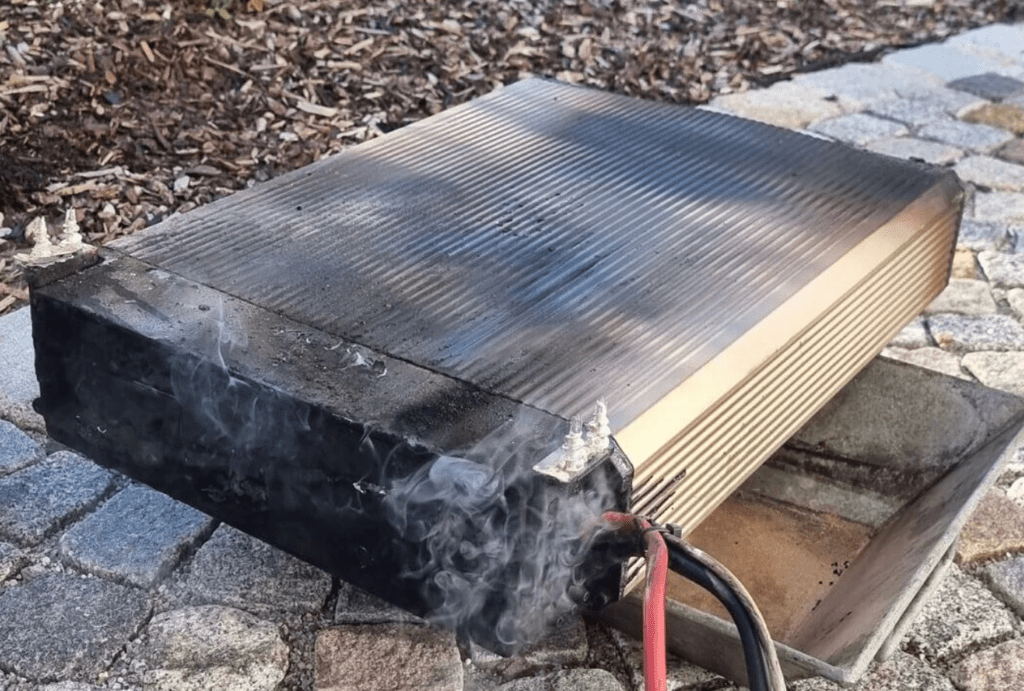
Queensland’s battery installation standards include clear restrictions on where a battery cannot be positioned. These limitations are in place to reduce fire risk, protect escape paths, and prevent heat or impact damage.
A battery must not be installed in:
Gas hazard zones, including around LPG cylinders, regulators, or vent discharge points
Exit or evacuation pathways, such as internal hallways, stairwells, or areas people must move through to leave the home
Roof cavities, ceiling voids, or recessed wall cavities, unless it is placed inside a certified fire-rated enclosure designed for battery systems
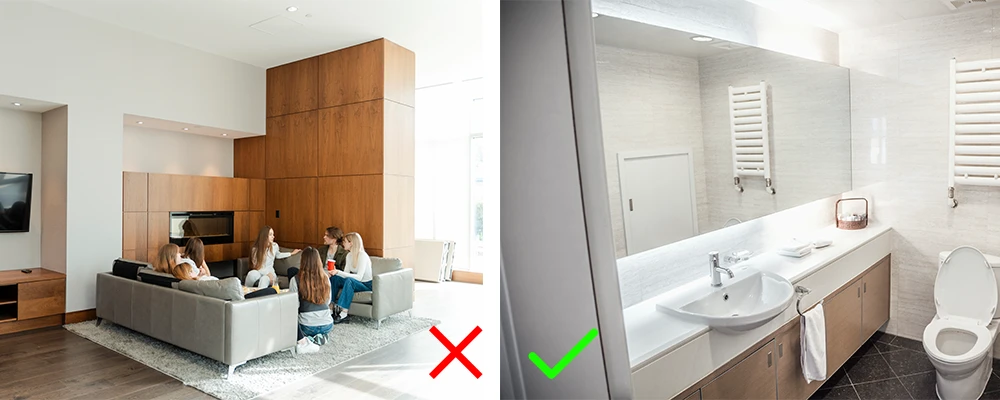
Living or sleeping spaces (e.g., lounge rooms, bedrooms, home offices, kitchens, etc.)
Unprotected outdoor environments, unless the battery has the appropriate IP weather rating and is mounted in a compliant location with correct airflow and clearance
For most Cairns homes, the safest and most compliant installation points tend to be:
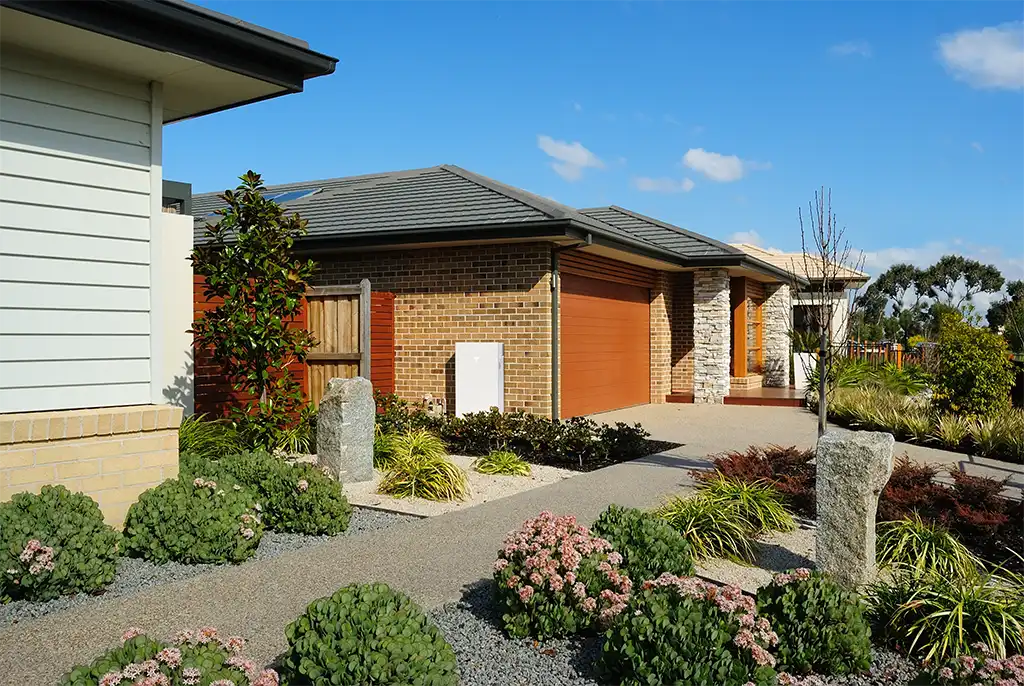
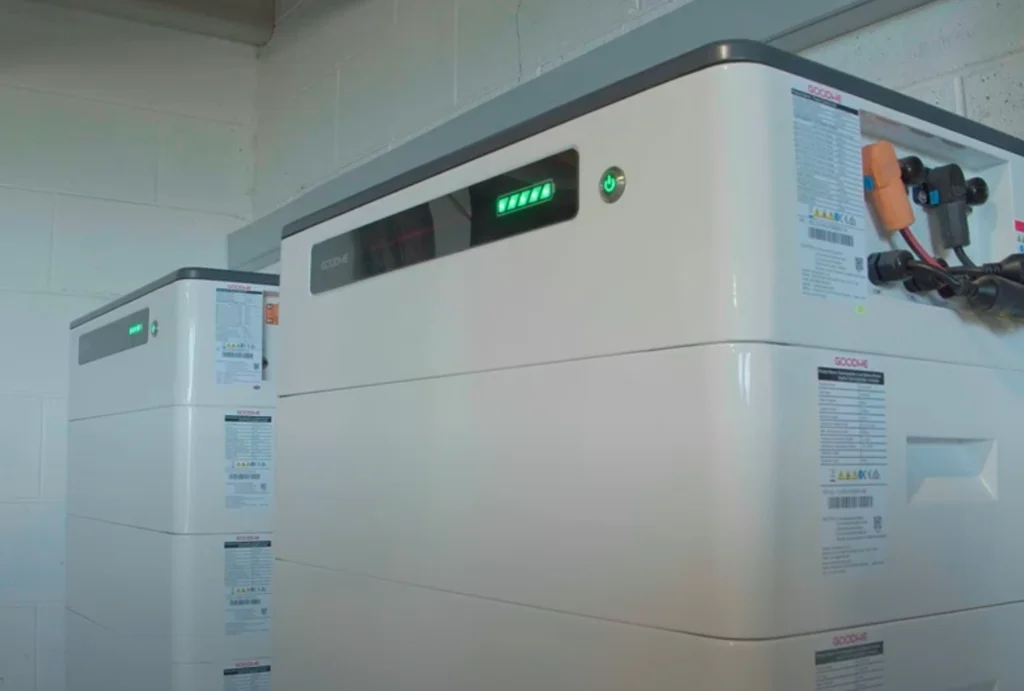
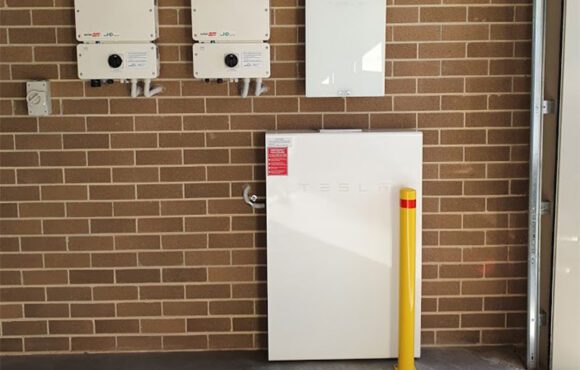
A garage wall, away from vehicles and ignition sources
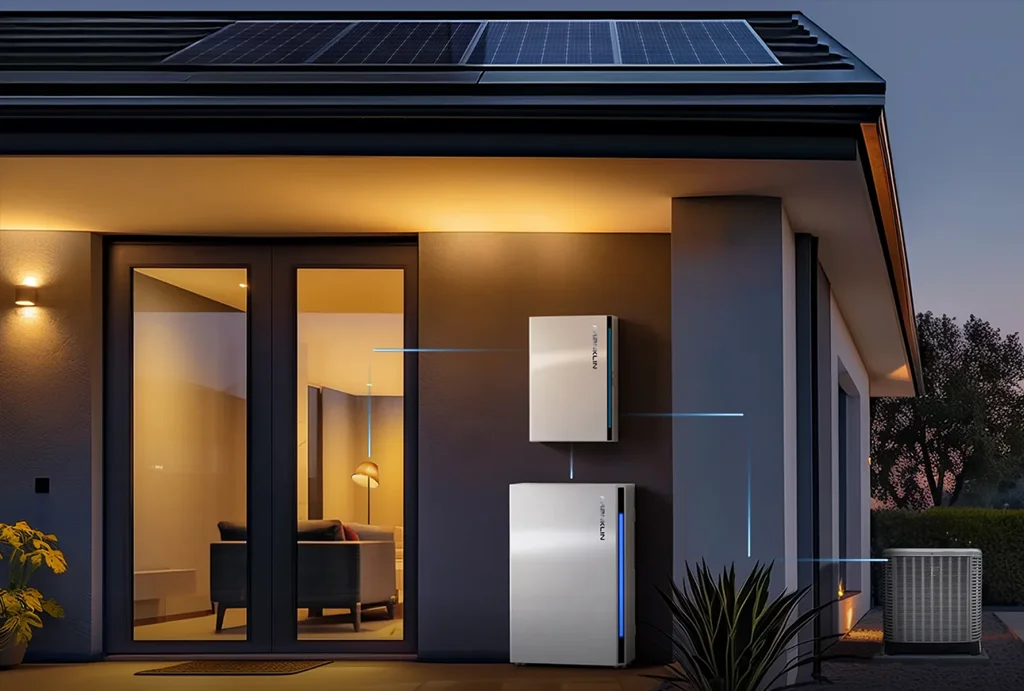
An external wall, under shade or an awning, secured on a solid surface and within temperature limits
This ensures the battery operates safely, meets AS/NZS 5139:2019, and handles local heat and humidity conditions.
What is Considered a Habitable Room?
Under the National Construction Code (NCC) and Queensland building requirements, a habitable room is any area of the home used for day-to-day living. This includes:
Bedrooms
Living rooms and lounges
Dining rooms
Home offices and studies
Media rooms and similar occupied spaces
If a battery is placed on a wall that connects to one of these rooms, the installation must include a certified, non-combustible fire-rated barrier, or the battery must be relocated to a compliant position elsewhere.
Practical guidance:
Avoid mounting a battery directly against the interior wall of a frequently occupied room unless a compliant fire protection system is installed. Choosing a garage wall or an external wall often eliminates this issue entirely.
Required Clearances Around a Solar Battery
AS/NZS 5139 and guidance from the Electrical Safety Office set specific spacing requirements to ensure the battery is positioned safely and is not exposed to ignition sources, heat, or blocked airflow.
Below is a clear, homeowner-friendly breakdown of the minimum separation distances:
| Nearby Feature / Object | Minimum Distance Required |
|---|---|
| Windows or ventilation openings | At least 600 mm to the side, and 900 mm below the opening |
| Standard doors or designated exit points (≤ 900 mm wide) | Minimum 600 mm clear space |
| Garage roller doors / large exterior access doors | Leave 1,000 mm clearance for safe access and service |
| Electrical equipment and appliances | 600 mm horizontally and 900 mm vertically |
| Gas meters, cylinders, regulators, or vent discharge zones | 1,000 mm clearance minimum, extended to 1,500 mm in the direction the vent exhausts |
Fire Protection Requirements for Shared Walls
When a battery is mounted against a wall that adjoins a frequently occupied room, additional fire protection is required under AS/NZS 5139. The wall surface must act as a non-combustible barrier to prevent heat transfer and reduce fire risk.
Acceptable fire-resistant materials include:
Masonry (brick or block)
Reinforced concrete
Fibre-cement sheeting of compliant thickness
Non-combustible tile surfaces (e.g., ceramic or terracotta)
Barrier coverage requirements:
The protective surface must extend at least 600 mm wider than the battery on both sides.
It must continue 900 mm above the highest point of the battery.
All gaps or openings in the barrier must be sealed, with no gaps exceeding 5 mm.
These measures ensure the installation meets safety standards and maintains proper separation between the battery and any habitable living area on the opposite side of the wall.
Access, Safety Clearances & Vehicle Protection
A battery must not obstruct movement through your home. Walkways, entry points, and service access areas must remain open and easy to move through. We maintain clear working space around every installation so the system can be safely serviced over its lifetime.
If the battery is positioned in a garage, carport, or near a vehicle parking area, it also needs impact protection. This is usually achieved with a bollard or a solid fixed barrier, ensuring the battery is protected from accidental bumps or vehicle contact.
This isn’t a cosmetic requirement — it prevents damage to the system and supports high safety standards for your home.
Indoor vs Outdoor Placement in Cairns
In the Cairns climate — where heat, humidity, and storms are common — batteries are typically placed outdoors or on a garage wall to ensure ventilation and temperature stability.
Indoor installations can be approved, but they must meet all fire separation, clearance, and wall protection requirements set out in AS/NZS 5139.
During a site visit, Replenishable Energy will:
Check for nearby gas meters, hot water systems, or ignition sources
Confirm there is unobstructed space for access and maintenance
Assess airflow and heat exposure, especially in tropical conditions
Make sure there is room for future battery expansion if desired
This approach ensures your system is not only compliant on day one — it stays safe, serviceable, and scalable for the long term.
How We Ensure Your System is Installed Correctly
Replenishable Energy follows a documented installation process to ensure every battery system aligns with all relevant Australian and Queensland electrical standards. This includes:
Compliance with AS/NZS 3000:2018 (Wiring Rules) for all electrical work
Installation and positioning in accordance with AS/NZS 5139:2019 for battery energy storage systems
Inverter and solar equipment configured to AS/NZS 4777.1 and AS/NZS 5033
Grid connection applications submitted and approved through Ergon Energy before commissioning
All work is completed by accredited electricians and battery installers, and each installation is checked, photographed, and documented before handover.
Why Cairns Homeowners Work With Replenishable Energy
Replenishable Energy has been supplying and installing solar + battery systems across Cairns and Far North Queensland for many years, working in suburbs from Edmonton and Mount Sheridan to Redlynch, Kewarra Beach, Gordonvale, and the Tablelands.
Our focus is on:
Safety-first installation, designed for tropical heat and humidity
Compliance with all Queensland Electrical Safety Office requirements
Proper fire separation and barrier protection where required
Impact protection for batteries in garages and vehicle zones
Future-ready layouts that allow battery expansion if needed